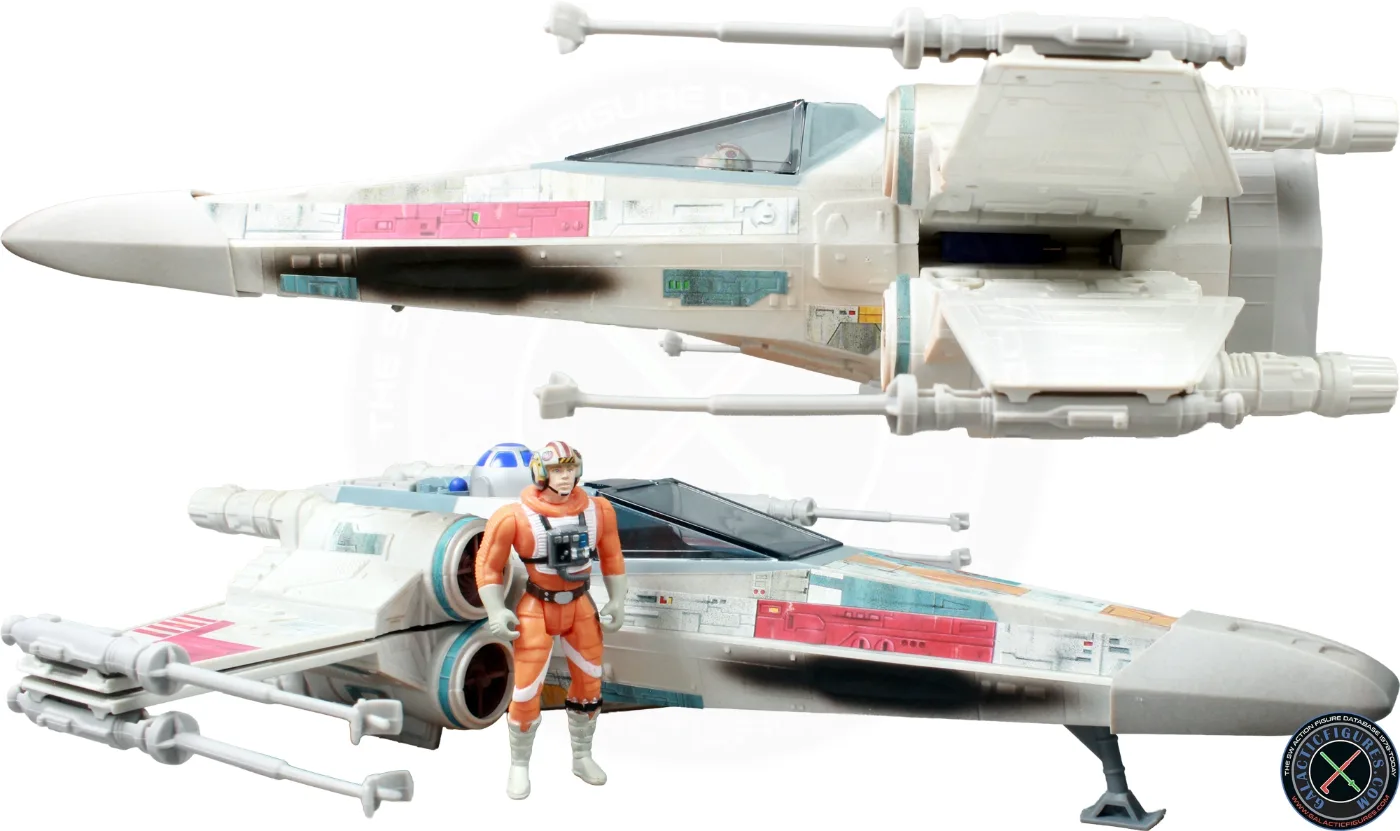
The Power Of The Force Electronic X-Wing Fighter was released by Hasbro under the Kenner branding in 1995 and was one of the early vehicles that helped launch what collectors now consider the modern 3 3/4-inch Star Wars action figure line. Priced at $29.99 at the time of its release, the X-Wing brought the iconic Rebel starfighter back to toy aisles with an updated appearance and two different electronic movie sounds.

Packaging
The Electronic X-Wing Fighter was released in packaging featuring the familiar orange and red color scheme associated with the first items released in the Power Of The Force (2) line.

Assembly
There isn't much assembly required to get the X-Wing Fighter ready for display or play. The main vehicle comes essentially as one piece, with the four laser cannons needing to be attached to the wings.
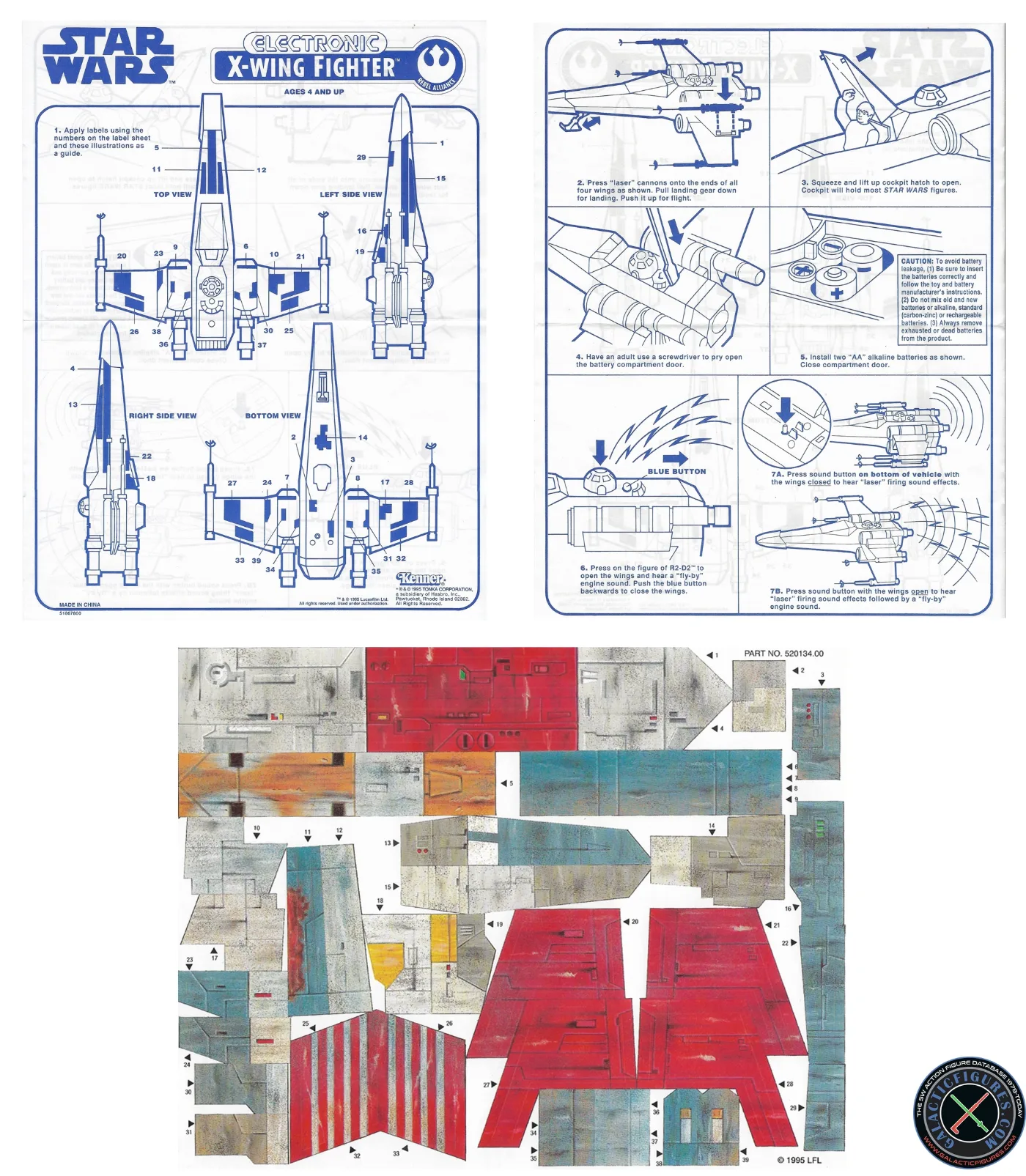
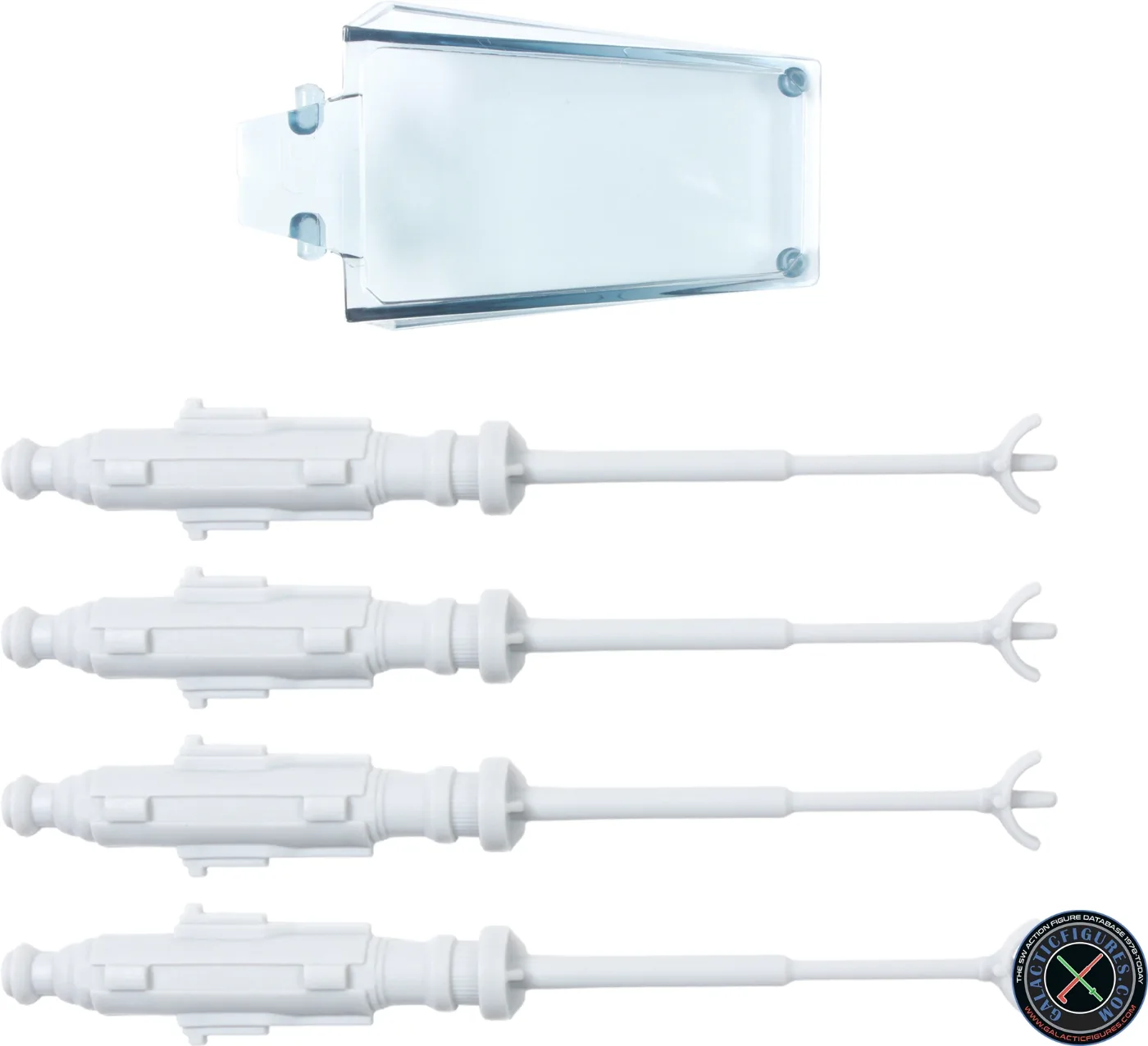
There are quite a few stickers included, however, and applying them accurately and cleanly will take considerably longer than assembling the vehicle itself. Expect to spend approximately 20 to 30 minutes applying all of the decals. For kids and collectors who enjoy putting the finishing touches on a vehicle, this can actually be a fun part of the process.
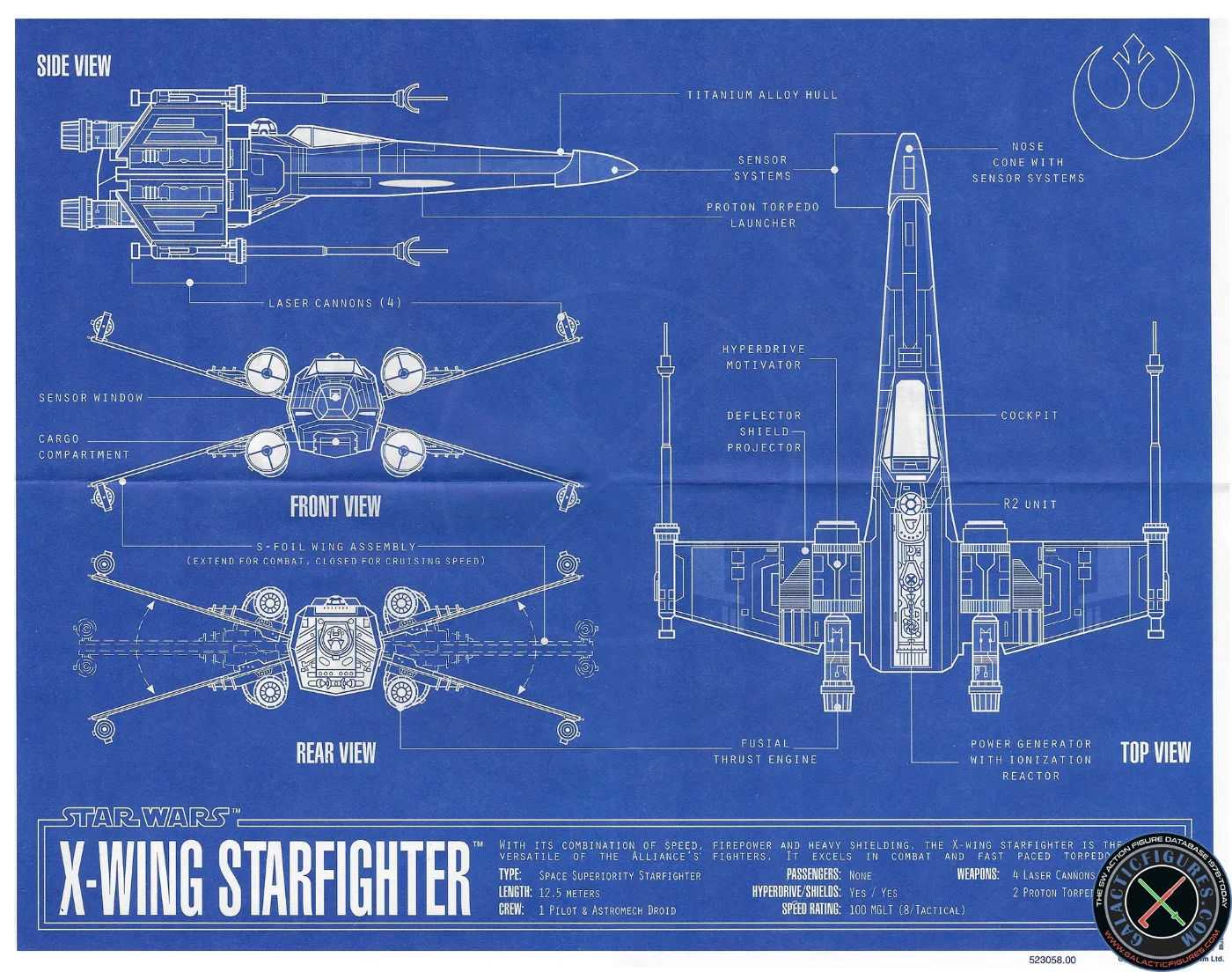
Besides the sticker and instruction sheet, there was also a blueprint poster included with the X-Wing Fighter, which showed the vehicle's schematics. Back then Hasbro did just a little bit more to make their fan base happy.
Sculpt And Design
The X-Wing Fighter features a surprising amount of sculpted detail across both the top and underside of the vehicle. Panel lines, mechanical components and other surface details help give the ship an appropriately complex appearance, while some subtle weathering adds additional character to the otherwise fairly clean color scheme.
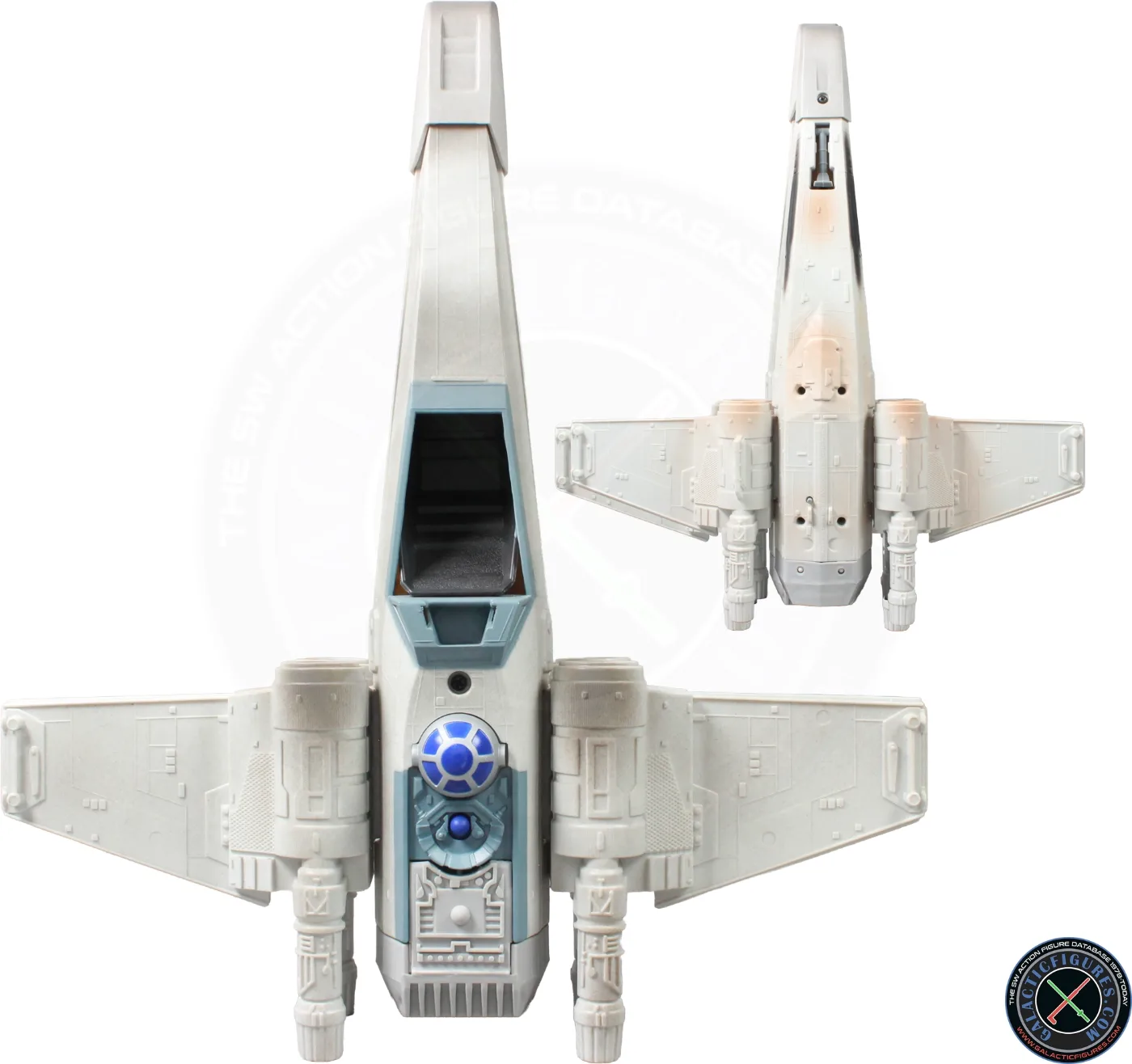
Darker coloring around areas such as the engines works particularly well and gives the vehicle a slightly used appearance without making it look excessively dirty or battle damaged. Once all of the included stickers have been applied, they also make a significant difference to the overall appearance of the ship.
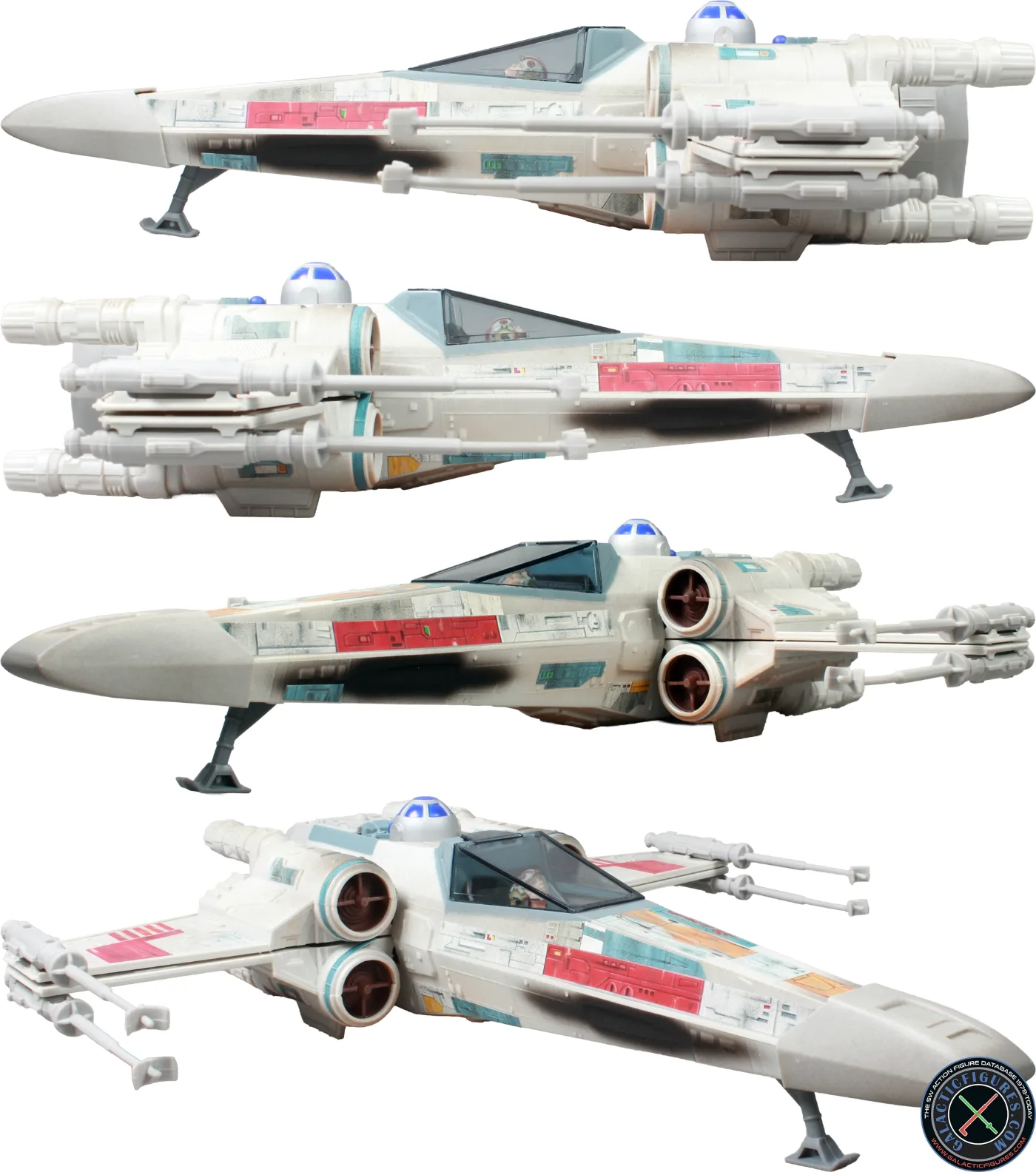
One area that is noticeably lacking in detail is the cockpit interior (it's non-existing). It is very basic compared to the exterior of the vehicle, although there is plenty of room inside. The cockpit was designed to accommodate the larger and bulkier Power Of The Force 2 action figures without any difficulty.
Attack Wings And Electronic Sounds
One of the coolest features on the X-Wing Fighter is the attack-wing mechanism. R2-D2 is represented by a permanently attached dome behind the cockpit rather than a fully sculpted or removable droid (just like on the original Kenner X-Wing). Pressing down on R2-D2's dome causes all four wings to snap open into attack position while simultaneously triggering an electronic flyby sound.
The mechanism was improved compared to the original Kenner X-Wing, and works particularly well. Once opened, the wings click firmly into position and feel securely locked in place. Even decades later, the mechanism feels remarkably solid and, in our opinion, works better than the wing mechanisms found on some later Vintage Collection X-Wing Fighters, including the Red Three and Red Five releases.
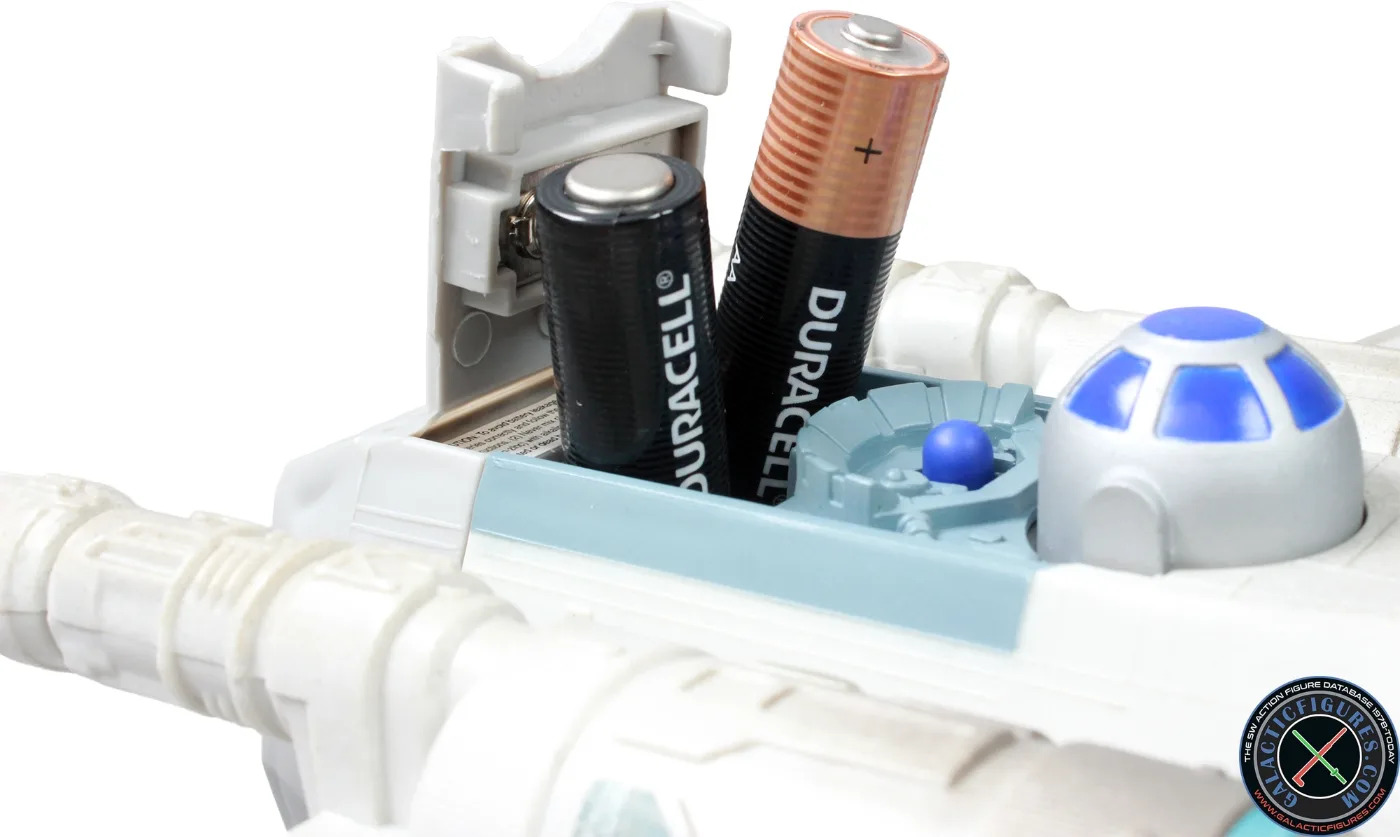
A small blue control located directly behind R2-D2's dome releases the mechanism and allows the wings to return to their standard closed position.
The vehicle also features a button on the underside which activates the X-Wing's electronic laser-firing sound. With the wings closed, pressing this button produces the laser sound without the flyby effect. The flyby sound is instead activated when R2-D2's dome is pressed and the wings deploy into attack position.
The electronics are powered by two AA batteries. The battery compartment is located on top of the vehicle, directly behind the droid socket. The hatch does not use a screw and can instead be carefully pried open using a small flat tool, making battery replacement relatively straightforward.
Additional Features
A manually operated landing gear strut is located underneath the front of the X-Wing. It can be lowered when displaying the vehicle on a shelf and folded back into the hull when the ship is being held in a flying position.
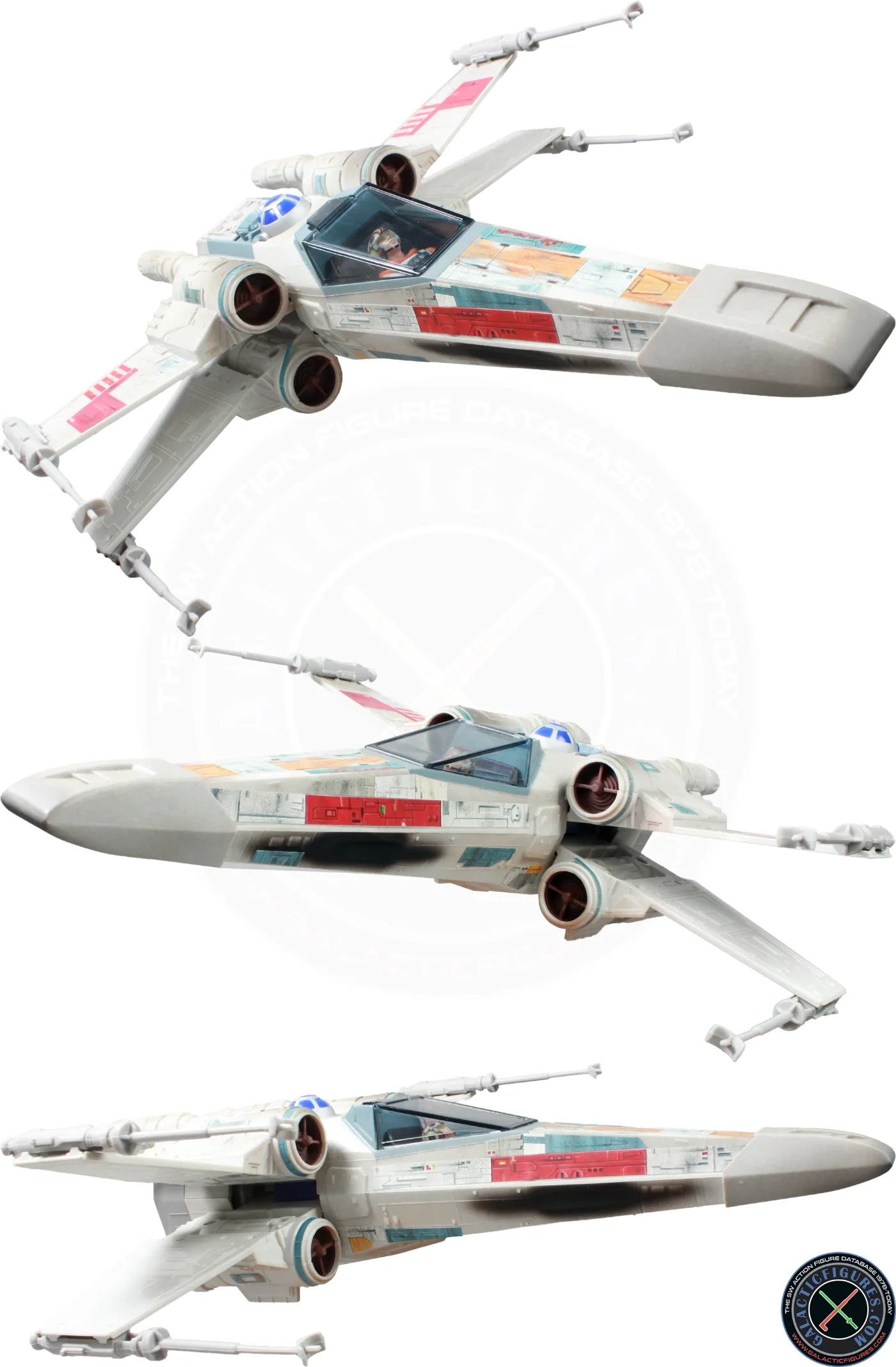
Beyond the attack wings, electronic sounds and landing gear, the X-Wing is fairly straightforward. There is no hidden storage compartment for accessories, and there are no firing proton torpedoes or similar projectile features built into the nose of the vehicle.
Collectors familiar with the original vintage Kenner X-Wing Fighter will also notice that one feature did not make the transition to this release. The red LED light located in the nose of the original Kenner vehicle was removed for the 1995 version.
Overall
Compared with the original Kenner X-Wing Fighter, the 1995 Power Of The Force Electronic X-Wing Fighter was significantly redesigned and reimagined for a new generation of Star Wars collectors. While its vintage roots are still apparent, there is no mistaking this version for anything other than a modernized update of the classic toy.
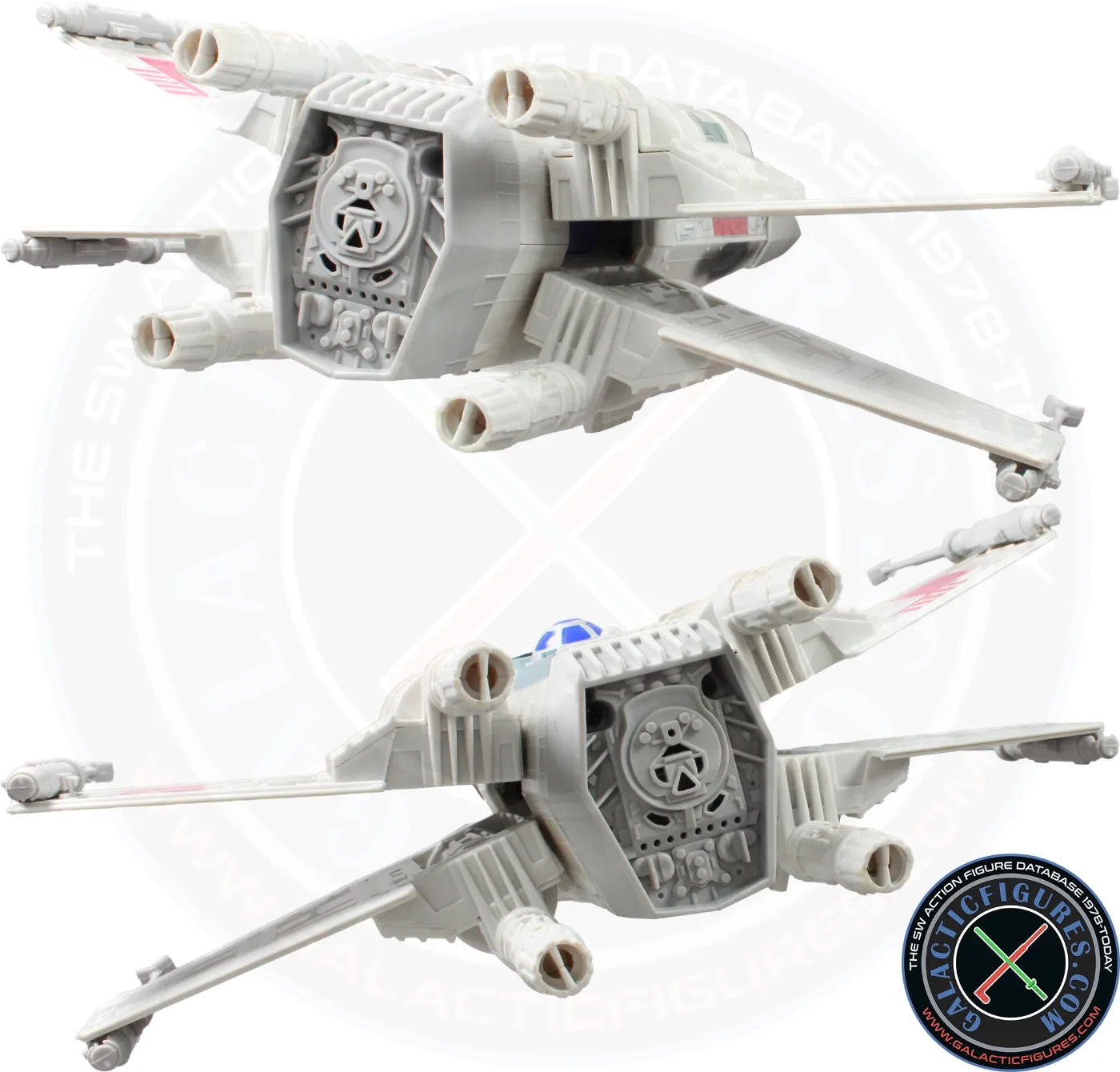
Even after all these years, the X-Wing remains a great-looking vehicle. The solid attack-wing mechanism, electronic movie sounds, exterior detailing and unmistakable late 1970s Kenner inspiration make it an especially interesting piece from the earliest days of the modern Star Wars action figure era.
If you collect the modern Star Wars action figure line, particularly the figures and vehicles that helped kick everything off again in 1995, the Electronic X-Wing Fighter is absolutely worth considering for your collection.